For men over 50 who know something needs to change
About Marc
Getting out of your own way.
The story behind what I do - and why it matters
A few years ago it all landed at once. Old injuries started flaring up — I had to actually change how I trained, not just what I told other people to do. And then I got told I was pre-diabetic. High cholesterol too.
I've been a personal trainer for over 35 years. I've spent my career telling people what to eat, how to move, why consistency matters. I know the science better than most. And I still ended up sat in that appointment.
My first reaction was shock. My second was something closer to of course. Because knowing what to do and actually doing it — consistently, without letting things quietly drift — are two different things. I know that gap better than most. I'd built a career pointing it out in other people. And I still fell into it myself.
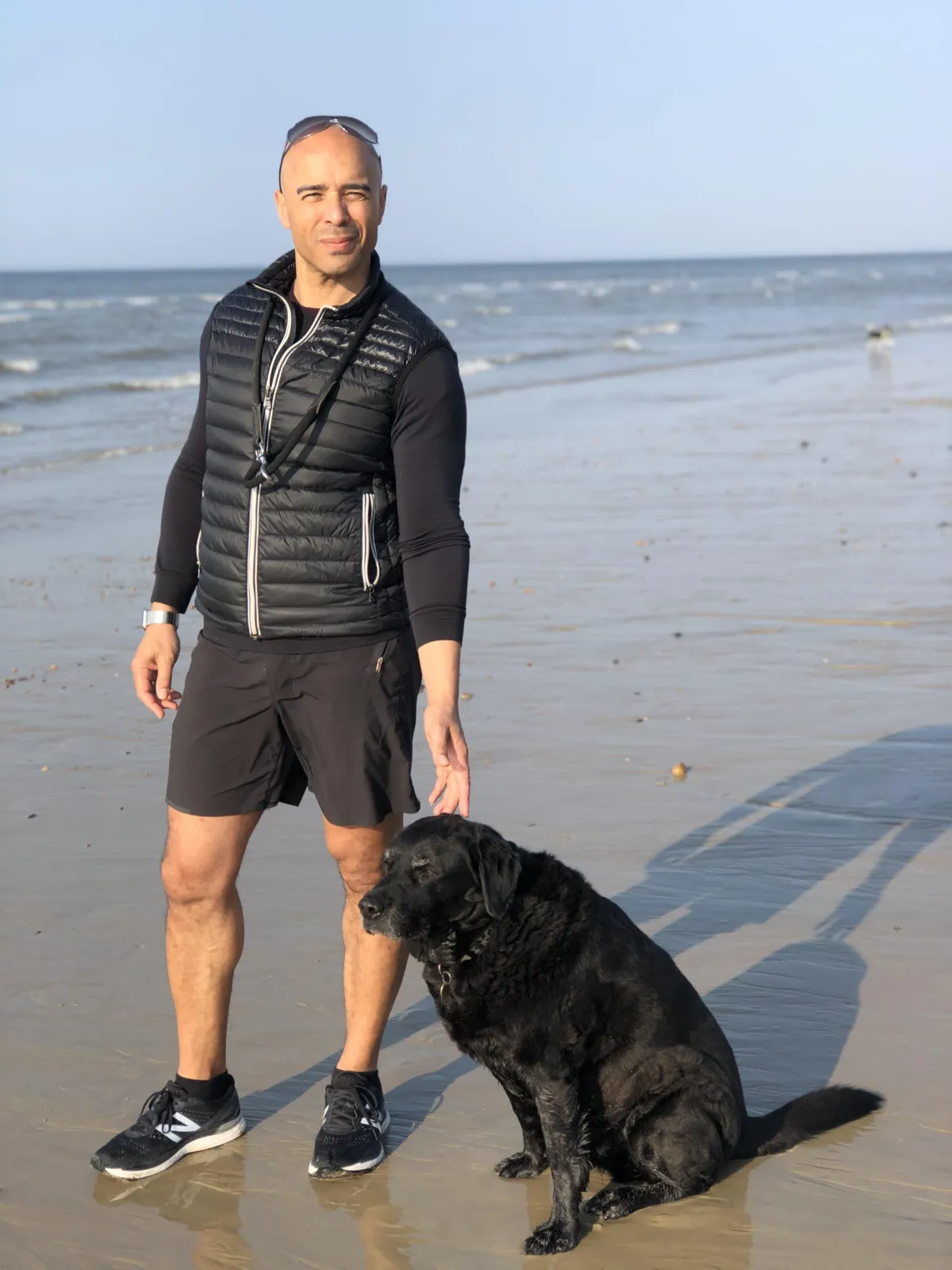
Small changes, kept up for about twelve months. Both markers are back in normal range now. But the diagnosis did something else — it made the future feel real in a way it hadn't before.
Here's the bit I don't always say out loud. That gap — between what I knew and what I was actually doing — wasn't new. I'd had a version of it most of my life. Always busy, always "working on it," never quite starting the thing that actually mattered. I had good enough reasons every time. Work. The kids. Timing. There's always something to point at when you don't want to look at yourself.
Somewhere around 50, I got honest about it. Talked to a therapist. Had a few conversations with my wife Lisa I'd been putting off for years. Found people who could help me actually build the stuff I said I wanted, instead of just thinking about it.
It didn't get comfortable overnight. But it changed. Each thing I'd normally have avoided made the next one slightly easier. That's it. That's the whole method, really — the 10% Method didn't come from a textbook, it came from watching that work on myself first.
The men I work with aren't short on information. They know the basics of what they should be doing — they've known for a while. What gets in the way isn't knowledge. It's that moment where knowing turns into doing, and something puts the brakes on.
I know that moment. I've lived it more times than I'd like to admit.
My job isn't to shout over that voice. It's to walk alongside you until it gets quieter — until the thing you've been avoiding just becomes the thing you do on a Tuesday.
Not perfect. Just moving. Rep by rep, week by week.
If any of this sounds familiar — if you recognise the gap between what you said you'd do and what you're actually doing — you're not behind. You're not broken. You've just been waiting for something to feel ready enough, simple enough, safe enough to start.
This is where you start.
No pitch, no pressure. Just an honest chat about where you are and whether I can help.

Privacy Policy + T&Cs